When Your Septic System Starts Sending Signals
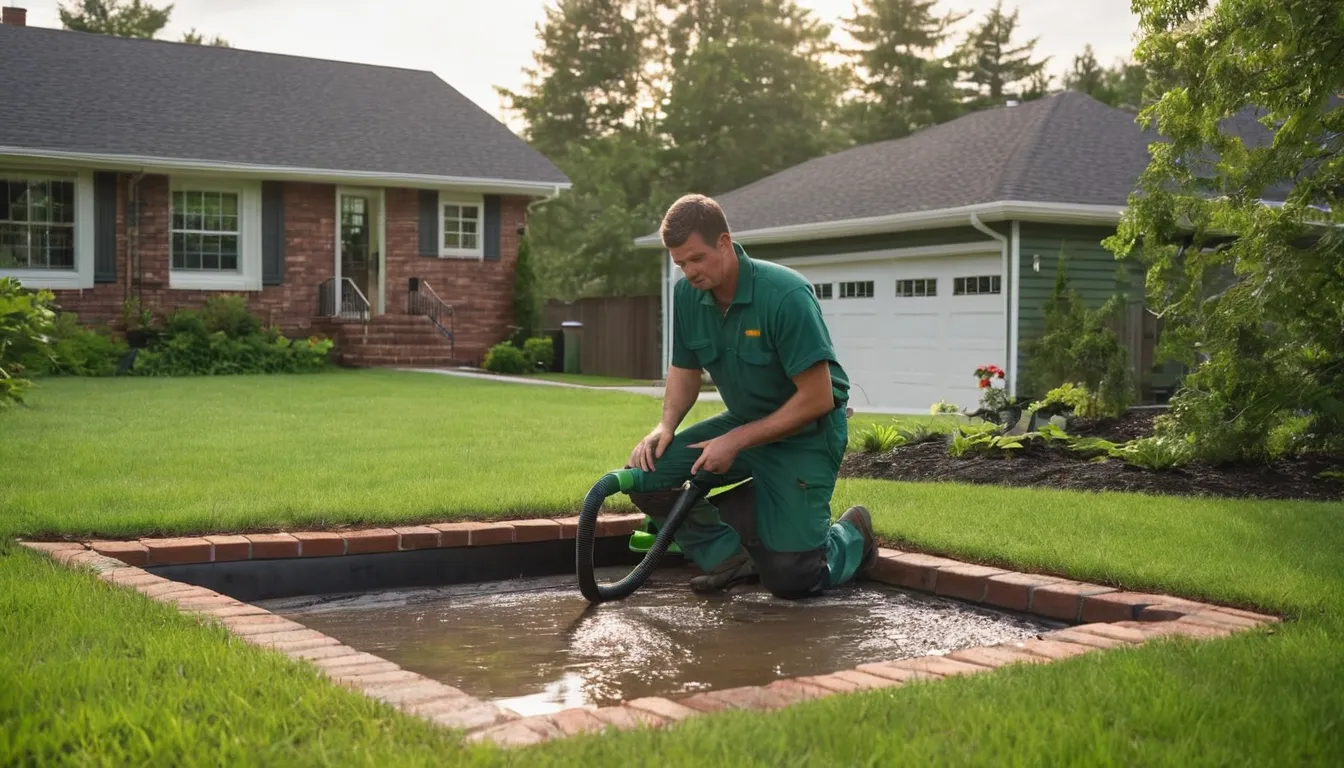
Say you step outside after a week of thunderstorms and notice a soggy patch in the yard. It smells a little off. The shower drain gurgled this morning, too. You are not sure if it is a small thing or a big one.
That is the moment Tendhold Septic is built for. It is a referral service. It connects homeowners in Douglasville and the Douglasville area with independent local providers who handle septic and sewer work. Tendhold Septic does not do the work itself. The provider does.
Most septic and sewer trouble gives hints first. Slow drains. Odd smells. Grass that is greener over one spot. Catching those hints early often keeps a small job small.
Here is how it works. You share what you see. Tendhold Septic points you to a provider in the network who handles that kind of job. The provider looks at the situation and gives you a written quote. You decide what happens next, with no obligation.
Get Started
Not sure yet? Keep reading. This page walks through the seasons, the common services and what to do once the work is finished.
How It Works
A referral service, plainly
Tendhold Septic is a front door for septic and sewer trouble. You describe the problem, and Tendhold Septic connects you with an independent provider who works in the Douglasville area. The provider does the pumping, the repair and the cleanup. Tendhold Septic does not.
Three kinds of jobs
Say your tank is overdue. That is a septic tank pumping job. Say a pipe between the house and the street has cracked or filled with roots. That is sewer line repair. Say a baffle has failed, a pump has quit or the drainfield stays soggy. That is septic system repair, and it can include drainfield repair.
Why the season changes the plan
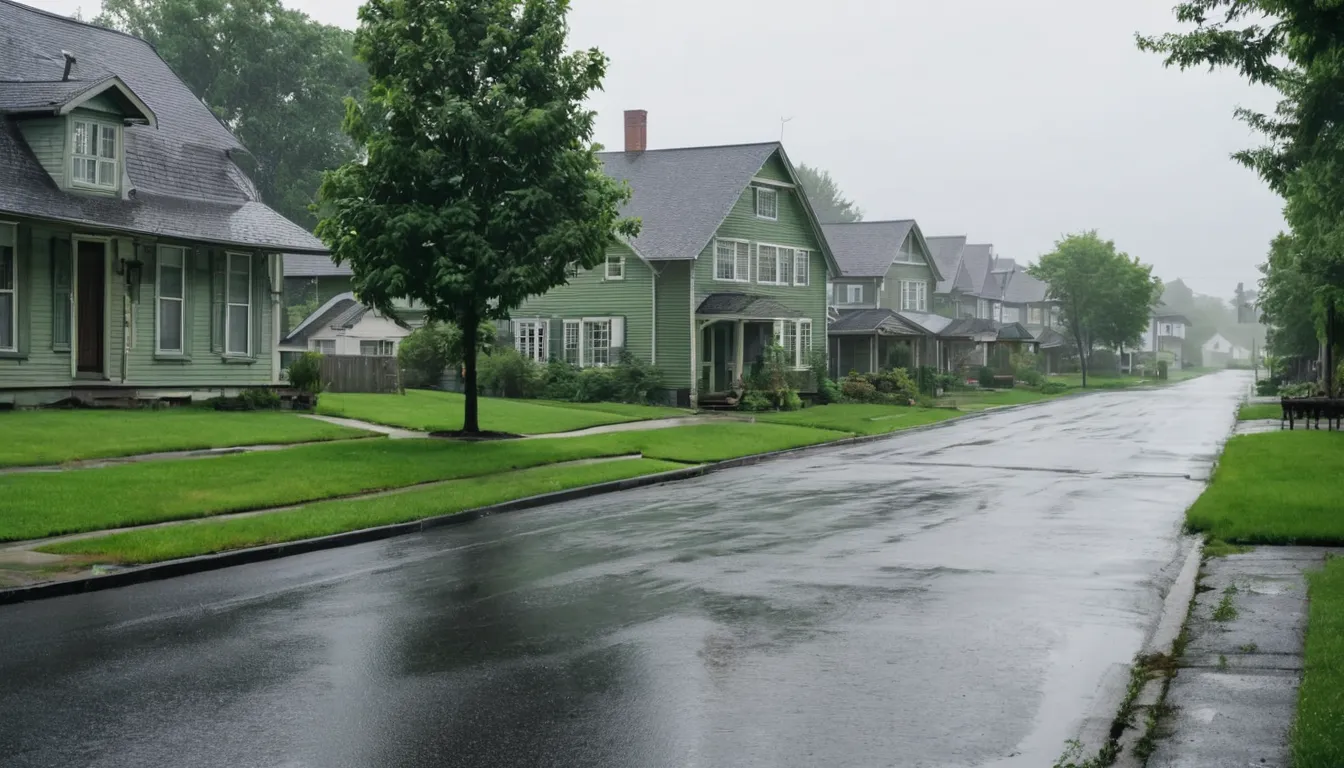
Hot, humid summers keep the ground soft and the grass thick, which can hide trouble. Thunderstorms can saturate a drainfield fast. Now and then an ice storm knocks out power to a pump, and the remains of a tropical system can drop days of rain. A provider can tell you what the weather means for your yard and when to schedule the work.
Who it is for
Homeowners with crawl-space houses, slab houses, older mill-era homes and newer subdivisions all run into septic and sewer questions. The pipes and tanks differ, but the first step is the same: have someone look at it.
What to expect
You share a few details. A provider reviews them, inspects the site and gives you a written quote. Costs vary by job, so compare quotes before you agree to anything. For insurance questions, check your policy. Some policies may cover sudden damage, and providers can often help document damage for a claim.
Serving Homes Across the Douglasville area
Tendhold Septic covers Douglasville and the surrounding communities across the Douglasville area, Georgia. The housing here is a real mix, and that shapes the work.
Older mill-era houses often have aging clay or cast-iron lines, and roots love those joints. Picture an old pipe under a mature oak. Sooner or later, they meet.
Newer subdivisions have their own story. Say the soil was packed tight when the lot was graded. Years later, the drainfield drains slowly after every storm.
Foundations matter too. A crawl space lets a provider see and reach pipes from below. A slab hides them under concrete, so a camera inspection is often the first step. Brick and vinyl siding do not change the plumbing, but they hint at the age of the house.
Some rural homes also rely on a private well. If yours does, ask about water well service when a septic problem shows up, since both sit on the same property.
Get Started
Not sure whether your street is in range? Send a request and the details get sorted out. Providers set their own service areas, so coverage can vary.
Keeping Your System Healthy Through Every Season
Spring: after the storms
Say the last of the winter rain has passed and the yard is still squishy. Spring is a good time to check for slow drains and wet spots. Septic tank pumping is also easier to schedule before summer fills the calendar.
Summer: heat, guests and thunderstorms
Picture a holiday weekend with a full house. More showers, more laundry, more load on the tank. A sudden thunderstorm can then flood a drainfield that was already working hard. Spread laundry across the week and fix any dripping toilets.
Fall: get ready before the cold
Leaves clog gutters and send water toward the drainfield. Point downspouts away from it. Fall is also a smart time to have the tank checked, while the ground is still easy to dig.
Winter: ice storms and quiet systems
An ice storm can cut power. If your system has a pump or an alarm, a dead panel can go unnoticed. Learn where the alarm is and listen for it. Keep vehicles off the drainfield, because packed, frozen soil does not drain well.
After a repair: keep it fixed
Say the work is done and the yard looks tidy again. Now the habits matter. Ask the provider for a pumping schedule. Many households land between three and five years, though tank size and water use change that. Keep a simple record of dates and receipts.
Protect the drainfield
Plant grass, not trees, over it. Skip heavy equipment. Run the dishwasher and washer at different times. Only toilet paper belongs in the toilet. Wipes, grease and coffee grounds do not.
Wells and backups
If you use a private well, ask a provider about water well service and testing after any major septic repair. If a backup ever happens, ask about emergency septic cleaning, and keep water use low until someone has looked at it.
Request an Estimate
Have a gurgling drain, a wet yard or a tank you cannot remember pumping? Send a request, and Tendhold Septic will connect you with an independent provider in Douglasville or the Douglasville area. Availability varies by provider, so ask about timing when you talk. Prefer email? Write to contact@tendhold.garden. Quotes are written, and there is no obligation.
Get Started
Request a callback to check provider availability for your address.